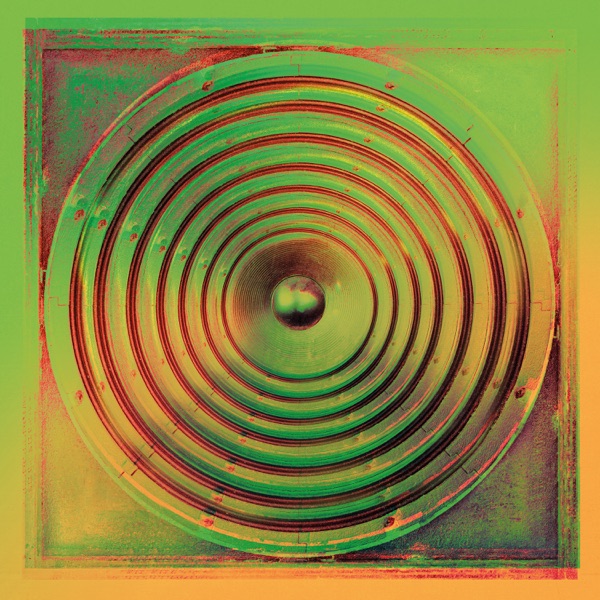

Marcel-Philipp ist auf den Dub-Geschmack gekommen, entstammen doch seine drei letzten Alben allesamt diesem Genre. Doch nach „Dub You Crazy“ und „Can’t Get Enough of Dub“ liegt nun ein ganz spezielles Album vor: „Marcel-Philipp Meets Scientist“ (Ashera). Was für eine spannende Zusammenarbeit: Der Multiinstrumentalist und Schöpfer luftig-leichter Reggae-Kompositionen trifft auf den Dub-Großmeister und Kreateur bleischwerer Mixes.
Wie kam es zu dieser bemerkenswerten Zusammenarbeit?
Marcel-Philipp: „Ende 2019 kam der erste Kontakt zustande als ich an der Planung einer Scientist Audio Engineering Master Class in Deutschland beteiligt war. Mitte 2021 habe ich ihm dann das Rohmaterial für einen Track von mir geschickt. Zu Beginn war das Projekt eigentlich auch nur auf einen Track begrenzt doch wir waren beide vom Ergebnis begeistert. Deshalb haben wir beschlossen, ein komplettes Album umzusetzen.“
Wie lange habt ihr an dem Album gearbeitet?
Marcel-Philipp: „Mit seiner Erfahrung und seinen Fähigkeiten hatte er das ganze Album innerhalb weniger Tage fertig. Die russische Künstlerin Lera (lastcaress), die ich mit dem Cover-Design beauftragt hatte, konnte aus Termingründen erst Ende September liefern, weshalb ich den Release-Termin in den November 2021 legte.“
Was schätzt du an der Arbeit von Scientist?
Marcel-Philipp: „Viele der von Scientist gemischten Alben gehören soundmäßig zu meinen absoluten Lieblingen. Während der Zusammenarbeit war der Kontakt zwischen uns sehr intensiv und ich konnte Einblicke in seine Vorgehensweisen und sein Wissen im Bereich Audio Engineering bekommen.“
Was ist das Geheimnis von Scientist?
Marcel-Philipp: „Noch vor der Erstellung des Dub Tracks haucht Scientist dem Gesamtsound seine spezielle Magie ein. Alle Alben, die von Scientist gemischt wurden, haben diesen einzigartigen Sound. Bei ihm beginnt alles mit dem Schlagzeug-Sound. Seiner Aussage nach, kann er jeden seiner tausenden gemischten Tracks nur am Sound der Kick-Drum ausmachen. Auf die Frage nach dem Vorgehen beim Mixing der Bass Gitarre antwortete er „The bass guitar drives the kick“. Seine Obsession für den Sound ist unfassbar. Die Kombination aus technischer und wissenschaftlicher Herangehensweise gepaart mit seinen künstlerischen Fähigkeiten und dem Interesse am Ausprobieren macht ihn zu dem was sein Künstlername aussagt: einen Wissenschaftler.“
Du bist ganz offenbar ein Fan von Scientist. Wo kommt deine Bewunderung für ihn her?
Marcel-Philipp: „Bei mir beginnt der ganze Schaffensprozess mit den Instrumentalversionen. Aus Mittel zum Zweck habe ich mich deswegen früh intensiv mit Mixing und Mastering auseinandergesetzt. Schon vor Jahrzehnten habe ich den Klang, speziell der Kick und der Snare, von Scientist Tracks analysiert. Nicht um diesen Sound zu kopieren, sondern um zu verstehen, wie und was er da macht. Als sich die Möglichkeit einer Zusammenarbeit bot, war ich sehr dankbar und enorm gespannt was Scientist mit meinen Instrumentals anstellen würde.“
Und, was hat er mit ihnen gemacht? Wie unterscheiden sich seine Dubs von deinen?
Marcel-Philipp: „Scientist machte große Anpassungen am Sound von Kick und Snare. Die Melodika als Lead-Instrument bekommt bei ihm viel Platz und ist im Vergleich zu meinen Dubs viel mehr präsent. Aus technischer Sicht spielt Scientist beim Einsatz vom Delay viel mit dem Feeback und auch die Verwendung des High-Pass Filters ist bei ihm omnipräsent.“
Bleibt das Joint Venture mit Scientist eine Ausnahme, oder planst du auch mit anderen Dub-Meistern zusammenarbeiten?
Marcel-Philipp: „Ich selbst strebe nicht an, bestimmte Sounds zu reproduzieren und lasse mich bei meinen eigenen Mixes von meinem Gefühl leiten. Aus Komponisten-Sicht sind Kooperationen daher sehr interessant und ich würde mich freuen, wenn ich in Zukunft auch mit anderen Dub-Meistern zusammenarbeiten könnte. Ich höre in meiner Freizeit viel Dub-Musik und bin immer wieder bei den Neuerscheinungen sehr positiv überrascht.“
Klingt so, als wärest du jetzt von deinen Instrumentals voll auf Dub umgestiegen?
Marcel-Philipp: „Mein Hauptfokus liegt immer noch auf den Instrumentals, denn ohne diese kann ich keinen Dub produzieren. Die drei Dub Alben sind ein Ergebnis der vielen Instrumentals die ich in den letzten Jahren fertiggestellt habe. Ich freue mich nun aber wieder darauf viele neue Tracks einzuspielen. Also werden von mir als nächstes wieder ein oder mehrere Instrumental-Alben erscheinen, bevor ich dann auch diese in Dubs verwandele.“