Retro-Reggae steht ja (fast) immer hoch im Kurs. Viele Produzenten mühen sich, den Sound der Black Ark, der frühen Revolutionaries oder des Channel One zu reproduzieren. Pachyman reiht sich dort nahtlos ein. Der in Los Angeles lebende Puerto-Ricaner orientiert sich am Sound der späten 1970er Jahre und bietet einen frischen, von kleinen Melodien und beschwingten Rhythmen geprägten Dub-Stil. Alle Instrumente spielt er in seinem Kellerstudio selbst ein – wovon es bei Youtube schöne Videos zu sehen gibt.
Mein Kollege gtkriz kritisierte einst Pachys Sound hart: „Er präsentiert ein Klangbild, dass den Eindruck erweckt, als würde man sich mit dem Künstler in einen ziemlichen muffigen, dumpfen, zur Schallisolierung ausgepolsterten Proberaum befinden. Da ist nichts geschönt; das laute Hi-Hat und die Becken klingen blechern, die Bass-Drum als auch der Bass trocken und flach.“ Tja, wo er Recht hat, hat er Recht. Die Frage aber ist: Ist das tatsächlich so negativ zu bewerten? Oder sollte Retro-Dub nicht genau so klingen? Falls man die letzte Frage bejaht, dann schließt sich natürlich sofort die Folgefrage an: Warum die Kopie, wenn es doch das Original gibt? Womit wir dann beim philosophischen Proseminar gelandet wären. Deshalb will ich das hier mal nicht weiter vertiefen, sondern einfach kundtun: Mir gefällt sein neues Album „The Return oh Pachyman“ ausnehmend gut. Die Dubs sind wunderbar verspielt, die Melodien nisten sich in meinen Ohren ein und der Mix sorgt für gute Unterhaltung. Und ja: Ich habe auch Spaß daran, die vielen Zitate zu dechiffrieren. Ich bekomme das Gefühl, Pachyman und ich sind „one of an kind“. Deshalb mag ich ihn, schaue ihm gerne in seinem Kellerstudio zu und höre „Return …“ wenn ich gute Laune habe. Willkommen zurück, Pachy!
Da heißt es immer, in Jamaika stünde Dub kurz vor dem ableben. Aber dann zuckt der Intensivpatient doch noch immer mal wieder und versetzt alle anwesenden in helle Aufregung. Zuletzt geschehen bei Teflon Zincfences Album „Dub Policy“. Nun geht wieder eine Schockwelle durch die Intensivstation: Jallanzo veröffentlicht mit „Dubbin’ It & Luvin’ It“ ein großartiges Dub-Album made in Jamaica. Jallanzo?? Ich kannte seinen Namen bisher noch nicht, wohl aber seine Musik, denn der Multiinstrumentalist, Songwriter, Sänger und Dub-Produzent spielte noch vor wenigen Jahren bei der Dubtonic Kru, deren Musik ich sehr zu schätzen wusste. Nun also ein Solo-Projekt – und das in Form eines Dub-Albums! Keine Ahnung, wer hier die Tracks eingespielt hat, ob sie Zweitverwertung sind oder von vornherein als Dubs geplant waren. Ich weiß nur: Sie klingen atemberaubend. So crisp, druckvoll und dynamisch, dass sie schon ein Genuss wären, selbst wenn wenn es nicht dieses perfekte Timing, die schönen Melodien, die ausgeklügelten Arrangements und den inspirierten Mix gäbe. Hier stimmt einfach alles – außer das häßliche Cover. Ein Grund, auf das Vinyl zu verzichten. Der Titel des Albums stammt übrigens von einem Zitat Jallanzos: „Music is my life, my life is my music and I am dubbing it and loving it”. Seit er 13 Jahre alt war, verschreibt sich Jallanzo der Musik. Er arbeitet vor allem als Studiomusiker und ist auf den Produktionen vieler namhafter Artists zu hören. Hoffen wir mal, dass wir seine Musik in Zukunft auch ohne Vocals im Vordergrund werden genießen dürfen.
Langsam gehen mir die lobenden Worte aus. Über die Werke von International Observer – hinter dem sich der Lead-Singer der historischen Thompson Twins, Tom Bailey, verbirgt – habe ich mir schon die Finger wund geschrieben. Ich liebe seine relaxten Dubs über alle Maßen. Am meisten fasziniert mich, dass sie einerseits unfassbar entspannt, andererseits aber hochspannend sind. Ein verrücktes Paradox. Wer Reggae und Dub aus Neuseeland kennt, ahnt aber, was ich damit meine: Perfekt getimte Rhythms voller Groove und innerer Spannung, dargeboten in Zeitlupe. Faszinierend. Außerdem kennt Tom Bailey sein Handwerk. Seine Tracks sind superb produziert: knackig, dynamisch, volltönend. Und dann wären da noch das ausgeklügelte Arrangement, die fantastischen Basslines und die wunderbaren, bunt schillernden Melodien. Alles vom Mix zu einem großen, umfassenden, vielschichtigen Wohlklang verwoben.
Für die Dubs von Tom Bailey gibt es eigentlich keine Schublade. Es handelt sich zweifellos um hundert Prozent Reggae-Dub handwerklicher Perfektion, der sich aber zugleich völlig vom Reggae emanzipiert hat. Verrückt, oder? Tom hat eine ganz und gar eigenständigen Dub-Stil erschaffen, der sich zwar formal der Ästhetik des Reggae bedient, die Genre-Konventionen aber ansonsten hinter sich lässt. Keine „Jah“-Ausrufe, keine Sirenen, kein Steppers, keine historischen Basslines oder Bläsersätze – Observer Dubs sind ganz und gar sie selbst, ohne Zitate und oberflächliche Referenzen. Deshalb kann ich mir seine Musik auch beim besten Willen nicht auf einem Sound System-Event vorstellen. Undenkbar! Aber zu einem neuseeländischen Pop-Open Air-Festival würde sie perfekt passen.
Die Akribie der Produktionen erklären auch, warum der Observer nur sporadisch neue EPs (geschweige denn komplette Alben) veröffentlicht. Hier geht Qualität vor Quantität. „Bat“ (Dubmission) ist sein neustes Werk. Es ist nach „Mink“ und „Pangolin“ die dritte EP in der „Tier-Reihe“ – und diese ist selbstredend so hervorragend wie auch alle anderen Arbeiten dieses außergewöhnlichen Dub-Protagonisten.
Es wurde auch Zeit, dass Mungo’s Hi Fi mal wieder ein richtiges Dub-Album vorlegt. Die drei Schotten produzieren sich die Finger wund, hauen im Stakkato die coolsten Alben und EPs raus und sparen an Dub?! Okay, „Serious Time“ bekam 2014 ein Dub-Pendant, aber das war es dann auch schon. Doch jetzt ist Schluss damit: „Antidote“ (Scotch Bonnet), das neue Dub-Meta-Werk der Glasgower ist da. „Meta“, denn es enthält zehn Dub-Versions von Titeln aus dem Mongo’s-Oeuvre. Also die Meta-Studie zu den bestehenden Mungo’s-Produktionen – womit wir auch direkt beim Titel wären: „Antidote“. Corona lässt grüßen. Doch die Mungo’s-Crew bezieht ihr Gegenmittel nicht auf das böse Virus, sondern „it’s an antidote to all the stress and restriction of modern life“. Aha, da schwingt offenbar ein wenig Frustration mit. Kein Wunder. Für ein Sound System, das von Festivals und Partys lebt, dürften die letzten Monate eine Zumutung gewesen sein. Wer die Schotten von Live-Auftritten kennt, wird wissen, dass sie jede Party rocken. Ihre Mischung aus Old School-Dancehall und Modern Bass-Music ist schlicht unwiderstehlich. Ich habe schon schönste Soundsystem-Nächte in den Basswellen von Mungo’s Hi Fi zugebracht. Umso mehr hat es mich erstaunt, dass auf „Antidote“ gerade NICHT die Post ab geht. Dub ist für die drei Glasgower Jungs offenbar Serious Business. Geradezu akademisch sezieren sie hier ihre Rhythms, streichen sie rigoros zusammen und reduzieren sie auf Drum und Bass. Ziemlich puristisch und konsequent. Unerwartet, aber nicht schlecht. „It’s a sonic journey that will leave all who enter cleansed and replenished on the other side“, versprechen sie. Eine Entschlackungskur, gewissermaßen. Genau dieser Kur haben sie auch ihre Musik unterzogen und heraus gekommen ist eine Dub-Katharsis. Pure and clean, wie Gregory es bezeichnen würde. Auf dass wir gereinigt in die neu gewonnene Freiheit durchstarten.
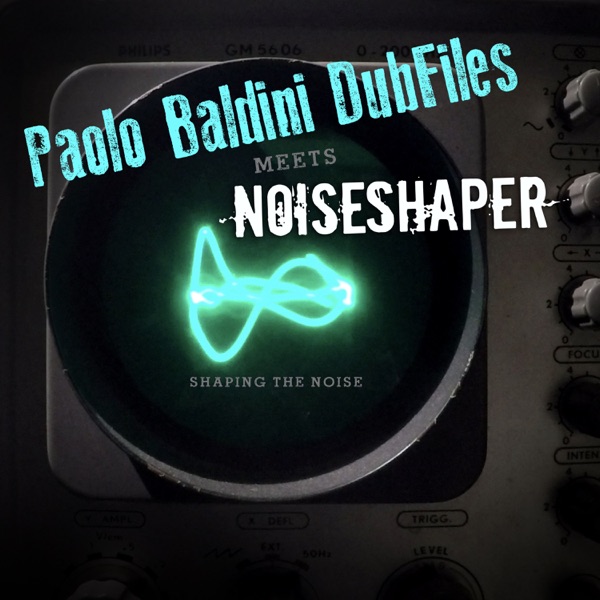
Ich habe schon immer vermutet, dass der Sound von Rockers HiFi zeitlos ist. Er war vor rund zwanzig Jahren seiner Zeit um mindestens 20 Jahre voraus. Deshalb klingt Paolo Baldini DubFiles Meets Noiseshaper: „Shaping the Noise“ (Echo Beach) heute so fresh. Als sei das Album eben erst aufgenommen worden. Was es ja auch ist – nur eben mit alten Aufnahmen. Ha, die Newbies sind verwirrt. Hier kommt die Auflösung: Hinter dem Namen Noiseshaper verbergen sich die Wiener Knaben Axel Hirn und Florian Fleischmann, die in den 1990er Jahren bei Rockers HiFi in die Lehre gingen und zu Beginn des aktuellen Milleniums selbst fantastische „housey downbeats with a fat reggae flavor“ hervor brachten. Höhepunkt ihrer Karriere war zweifellos die Verwendung ihres Songs „The Only Redeemer“ in der US-Fernsehserie CSI: Miami, was ihnen eine Mainstream Singel-Veröffentlichung auf Palm Pictures einbrachte und ihre Musik auf die weltweiten Dancefloors katapultierte. Wer Referenzen wünscht: Ich muss beim Noiseshaper-Sound unwillkürlich an Dreadzone, Kruder & Dorfmeister, Thievery Corporation oder International Observer denken – ein Sound, den ich bis heute liebe, der aber leider in Vergessenheit geraten ist. Lediglich der Internationale Beobachter ist ihm treu geblieben. Wie schön, dass Echo Beach dem Oevre der Wiener und dem unwiderstehlichen Different Drummer-Sound nun Respekt zollt. Bereits vor zwei Jahren veröffentlichte das Label einen Retro-Sampler mit ihrer Musik, doch erst jetzt kommt der eigentlich Clou: Palolo Baldini hat die schon damals fantastischen Tracks durch die Echokammer gejagt und dadurch noch viel fantastischer gemacht. Wer Paolo Baldini ist, dürften auch Newsbies wissen: Ein Dub-Meister sonder gleichen, der hoch oben, in den italienischen Alpen residiert.
Kollege Karsten Frehe konstatiert „Shaping the Noise“, dass das Album durch Baldinis Dubmix „nicht wie ein erneuter Aufguss von Altbekanntem klingt, sondern erfrischend neu“. Wie recht er hat! Durch Baldinis Dub-Künste klingt die fünfzehn Jahre alte Musik taufrisch. Ich würde hier von einer klassischen Win-Win-Situation sprechen. Ausgeklügelte, komplexe und ungemein groovende Produktionen aus der Vergangenheit treffen auf einen akribischen, ideenreichen und perfektionistischen Dubmixer der Gegenwart mit untrüglichem Gespür für Timing und Dramaturgie. Das Ergebnis ist doppelt gut. Hört euch das Album am besten mal ganz konzentriert mit Kopfhörern an (auf Apple-Music übrigens in Lossless-Qualität). Ein großes Dub-Hörerlebnis.
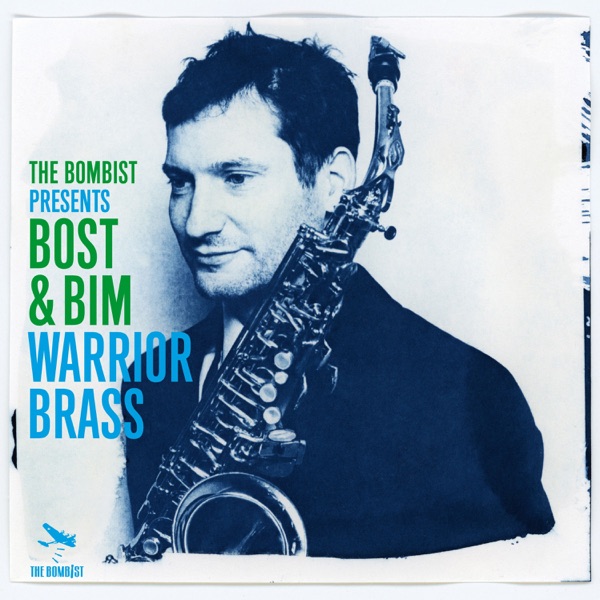
Und schon wieder ein unfassbar gutes Reggae-Instrumentalalbum: Bost & Bim: „Warrior Brass“ (Bombist). Ich muss ja gestehen, dass ich sehr auf gute Instrumentals abfahre, denn wie Dub erfüllen sie ein wesentliches Kriterium: keinen Text. Seien wir ehrlich: Text ist im Reggae ziemlich überbewertet. Die Zeiten der Rebel Music und ihrer sozialkritischen Texte scheint seit Jahrzehnten vorbei zu sein. Längst müssen wir uns mit verbalen Ergüssen zu Themen wie Religion, Herb oder Sex zufrieden geben oder uns gar homophoben oder gewaltverherrlichenden Philippiken aussetzen. Mich ärgert das – oder langweilt mich zumindest. Wie schön ist es da doch, sich ganz purer Musik hinzugeben. Musik, die ganz sie selbst sein kann, die nicht im Dienste einer Textbotschaft steht und zum „Backing“ degradiert wird. Deshalb liebe ich auch diese latent arrogante Tradition im Dub, eine Gesangsstimme bereits nach wenigen Worten einfach im Echo verhallen zu lassen …
Doch ich mag gute Reggae-Instrumentals nicht nur wegen dessen was fehlt, sondern auch wegen dessen, was sie mehr haben – und ich muss gestehen, dass das nicht in gleichem Maße für Dub gilt – nämlich den vollen, satten Sound einer komplett besetzten Reggae-Kapelle. Höre ich z. B. das Stück „Tommy’s Mood“, dann drückt da nicht nur der Bass aus den Subwoofern, sondern eine ganze Wall of Sound kommt auf mich zugerollt. Ein üppig reiches, harmonisches und wohlig warmes Klangbild, garniert mit ebenso sanften wie kraftvollen Blechbläser-Sätzen. Perfekt durcharrangiert, superb eingespielt und satt produziert – Reggae mit Bläser-Sektion ist stets eine Wonne.
Bost & Bim sind übrigens als Reggae-Produzenten eine durchaus beachtenswerte Nummer – was ich gar nicht so auf dem Schirm hatte. So haben die beiden Franzosen bereits erfolgreiche Tunes für Morgan Heritage, Chronixx oder Winston McAnuff produziert. Matthieu Bost ist zudem ein begnadeter Saxophonist, was er hier auf „Warrior Brass“ eindrucksvoll unter Beweis stellt. Komplettiert wird die klassische Brass-Section durch Trompete (Manuel Faivre) und Posaune (Marc Delhaye). Neben den drei Hauptperonen sind weitere hervorragende Musiker am Werk, wie z. B. Ticklah, Horseman oder Mista Savona. Es gibt übrigens nicht nur Bläsersolos zu hören, auch andere Instrumente kommen zum Zuge und übernehmen den Lead. Daher erinnert „Warrior Brass“ immer auch ein wenig an ein Jazz-Album – eine Assoziation, die nicht zuletzt auch von der Cover-Gestaltung stark getriggert wird. Tatsächlich aber ist es aber eher eine Hommage an klassische jamaikanische Instrumentalmusik, mit vielen charmanten Zitaten (z. B. Lee Perry), kleinen Exkursionen zu Nyabinghi und Calypso und zwei Tommy McCook und Cedric Brooks gewidmeten Titeln.
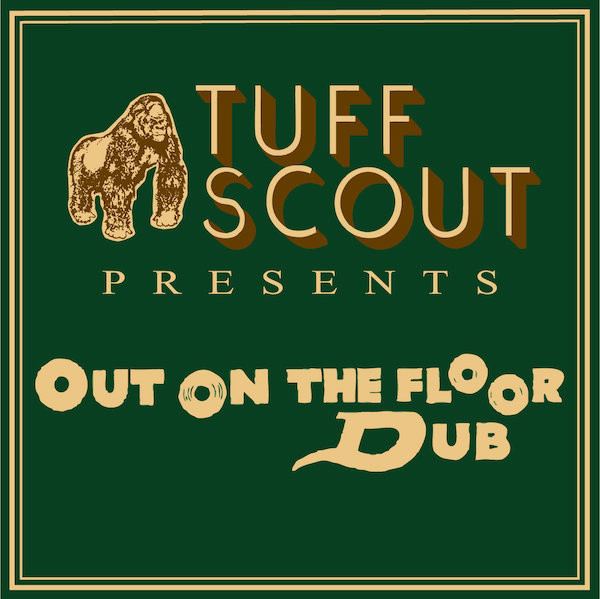
Ich gebe es zu. Ich habe „Out on the Floor Dub“ aus dem Hause Tuff Scout als digitales Release gekauft und herunter geladen. Dabei ist das Album nichts anderes als eine hingebungsvolle Hommage an die guten alten Plattenläden und ihre Schätze: Vinyl-Schallplatten. Tja, mein digitaler Faux Pas ist bezeichnend, denn diese Läden, denen wir früher so regelmäßig Besuch abstatteten (bei mir war es immer der Samstagvormittag), um nach neuen Dosen für unsere Musiksucht zu suchen, gibt es kaum noch. Wie sich dieses Ritual in den einschlägigen Londoner Reggae-Läden wie Dub Vendor oder Lasco’s Music Den gestaltete, beschreibt Steve Barrow wehmütig in seinen schönen Liner-Notes zu diesem Album (die übrigens auf der Bandcamp-Seite zu lesen sind). Ach, das waren noch Zeiten! Klar, einige Läden gibt es noch heute, aber die stehen schon fast unter Denkmalschutz oder werden als Kulturerbe eingestuft. Sie sind der Sphäre des Alltäglichen längst entwachsen und handeln hauptsächlich noch mit historischen Pressungen und Memorabilia. Vorbei sind die Zeiten der 7“-Pre-Releases aus JA.
Einer, dieser Kulturerbe-Läden ist Out on the Floor Records in Camden, London. Ein Relikt der 1990er Jahre – aber immer noch aktiv. Neben Soul, Funk, Rock, Punk, etc. gibt es dort vor allem eines: Reggae-Vinyl, denn Jake, einer der drei Betreiber, ist fanatischer Sammler historischer JA-Pressungen. Außerdem betreibt der Mann das Reggae-Label Tuff Scout, das zwar neue Aufnahmen veröffentlicht, die aber stets so klingen als hätten sie schon 50 Jahre auf dem Buckel. „Out on the Floor Dub“ ist nun eine Sammlung von Dub-Versions des Labels, produziert und gemixt von Gil Cang und Demus. Leider drückt sich Jake vor allem im Medium Musik aus, weshalb kaum Hintergrundinfos zu den Akteuren und deren Produktionen aufzutreiben sind. Aber ist ja auch egal, denn wichtig ist ja nur, was hinten raus kommt, wie ich in Anlehnung an unseren Alt-alt-Kanzler zu sagen pflege. Und das ist – Lemmi wird mir bestimmt beipflichten – definitiv eine Vinyl-Pressung wert. Richtig schöner Old School-Dub, nur mit fetterem Sound. Spannend gemixt und zu einem Dub-Album mit perfektem Flow kombiniert.
Während wir den Download übrigens mit einem trivialen Langweil-Cover in die Mediathek gebeamt bekommen, ziert das Vinyl eine fantastische Illustration. Sie zeigt den Laden im Camden (u. a. mit „LKJ in Dub“ im Schaufenster, meiner ersten Dub-Platte!). In der Tür steht Jake. Was hinter ihm los ist, zeigt die Cover-Rückseite: Ein Menschenauflauf, wie er zuletzt 1999 in einem Plattenladen gesehen wurde.
Sieben Jahre ist es her, dass Echo Beach den Meistersänger Horace Andy ins Studio bat, um dort seine großen Hits über neue, zeitgemäße Rhythms zum Besten zugeben. Das Ergebnis trug den Titel „Broken Beats“. Nun folgt „Broken Beats 2“ (Echo Beach), auf dem neue Rhythms zu hören sind – garniert allerdings mit den selben, wohl bekannten Gesangsaufnahmen. Echo Beach hat sich nicht lumpen lassen und unfassbare 27 Tracks in die Digitalversion des Albums gepackt. Da das Material von „Broken Beats 1“ nur acht Songs von Horace Andy umfasst, bedeutet das, dass auf „Broken Beats 2“ alle Songs mehrfach zu Gehör gebracht werden. Spitzenreiter ist „Money, Money“, der hier in zehn Versionen dargeboten wird. Warum das Ganze hier im dubblog auftaucht? Weil die Backings von so illustren Dubbern stammen, wie Subatomic Sound System, Adubta, Adam Prescott, Dreadzone oder Jah Schulz – um nur einige paar zu nennen. Außerdem brillieren neben den vielen Versions auch ein äußerst schöne Dubs – für mich die eigentlichen Highlights des XXL-Albums, denn so sehr ich schon immer die Stimme und die Songs von Horace Andy mochte, so sehr nervt es mich, über die exorbitante Albumlänge die immer gleichen Melodien hören zu müssen. Daher sind die Dubs hier Inseln der Entspannung und Erholung in einem Meer aus „Cuss Cuss“ und „Money Money“. Ganz abgesehen davon, dass die Qualität der Produktionen erst in den Dubs so richtig zur Geltung kommt. Doch leider, leider gibt es auf „Broken Beats 2“ viel zu wenige davon. Aber so, wie ich Echo Beach kenne, wird bald ein mit „Broken Beats 3“ betiteltes Dub-Album erscheinen.
Für Freunde des schwarzen Goldes gibt es übrigens eine „Broken Beats 1&2 Vinyl Edition“ mit acht Songs und sehr schönem Cover.
Your artist name: Brizion Your real name: Brian Zanchetta You live in: San Diego, California Title of your last album:A Hundred Tones Of Dub
What is your personal definition of dub?
An alternative version of a song that emphasizes the bass & drum parts.
A musical form of improvisation where the mixing engineer alchemizes the song using the application of space and texture in the mix process.
A practice of transformation and transcendence within the realm of sound.
What makes a good dub?
A heavy bassline, solid drum pocket, big reverb and some stimulating fader throws into the echo chamber.
Which aspects of dub music fascinate you the most?
The aspect of dynamics and improvisation. How a seemingly very simple and repetitive instrumental track could play out in an infinite number of ways by the dynamic mixing moves and effects combinations. It’s as though the dubwise treatment to a song sends it into a kind of perpetual motion.
How did you discover your passion for dub and how did you develop yourself and your music since then?
I always loved Reggae from when I was a young child. I discovered Dub as a teenager while digging deeper in Reggae music and instantly became obsessed. It became imperative that I find a way to create my own expression and interpretation of Dub. Already being a musician, I sold some of my equipment to buy some basic recording gear. I always had an aspiration to recording engineering and mixing just as much as being a musician. So I developed with those two passions in parallel.
What does your process of creating a dub track look like?
Building a raw rhythm, drums, bassline and chordal comping.
Then adding embellishments, and melodic parts.
Balancing the mix of these elements.
Then finally sending it off into the dub realm and doing multiple improvised takes with variations, usually in a sequence of versions, typically the first version is the straight instrumental, two is a typical dub path I follow. Then each additional chapter of Dub becomes more and more nuanced.
Live performance is such an enjoyable experience. But I’m truly fulfilled by studio work.
When are you satisfied with a dub track you produced?
When I hear it back and it gives that physical sensation of excitement or emotional reaction. When for even just a moment you are lost in the motion. The two most satisfying feelings of producing for me are: Hearing the track playback on vinyl record and hearing the bassline of my tune drop on a proper sound system
What is most essential when producing dub music?
Uninterrupted attention and a perseverant attitude.
What is your special strength?
Working quickly… perhaps.
Which one of your albums do you consider your best work up until now?
I released an album with one hundred different tracks compiled from the last decade called “A Hundred Tones Of Dub”. I think it is gives a kind of all-encompassing sense of the different styles I’ve worked through over the years. But my personal favorite album ‘series’ I’ve done is called “Deep Space Dubplates” which currently has 5 chapters.
Are you able to make a living with music?
Attempting.
What aspects of your job do you enjoy the most?
I love creating the most, if I can play my role of being creative. It is truly fulfilling. However I really enjoy helping people as well. I love mixing projects for artists and bands. I also really love teaching and education. I truly just enjoy anything music related.
What annoys you in the studio?
Computer problems.
When you’re not working on dubs, what is your favorite thing to do?
I love to cook. My other passion besides music.
What do you listen to besides dub music?
I have a deep love for jazz music.
Jah Shaka is my role model. One of the most humbling occurrences in my musical career was to see Shaka play tunes I had produced in his sessions.
If money and time didn’t matter: Which project would you like to realize?
A difficult question to answer in a broad sense… But since we are on the subject of music, I would love to develop an organized program to inspire youth to create music and give them an opportunity to see how music can be produced. Having a creative outlet was so vital to me growing up, I would love to develop more channels that allow for youth to discover their own creative outlets in music.
Are there any sound system events that you particularly like to attend? Why?
There are some local events we do here in San Diego, where a few sounds gather at a park near the bay and play all through the day. It’s always an uplifting community vibe.
What do you prefer: Studio work or sound system performance?
Live performance is such an enjoyable experience. But I’m truly fulfilled by studio work.
What is your greatest musical role model and why?
Jah Shaka. So many aspects of his musical endeavors have been deeply inspiring to so many worldwide. Jah Shaka wasn’t the first dub music I heard, but it was the music that made me want to make my own dub. One of the most humbling occurrences in my musical career was to see Shaka play tunes I had produced in his sessions.
Is there a sound system that you particularly appreciate?
A sound system here in San Diego called Blackheart Warriors HiFi were my earliest supporters as well as mentors in Reggae music. They were the first sound ever to play Dubplates I had produced (all acetate cuts). I truly admire all their contributions, vision and vigilance of musical endeavors.
Ein interessantes Konzept verfolgt das französische Label Subsquad. Es kompiliert unter dem Titel „City Squad“ kostenlose Dub-Sampler mit Dubs von Artists aus jeweils einer französischen Stadt. Nach Bordeaux im letzten Jahr war jetzt Grenoble dran. In der Stadt nahe der Alpen leben weniger Einwohner als in Herne, und doch hat Subsquad 15 (!) Tracks verschiedener Dub-Artists zusammen bekommen – alle aus Grenoble. Unfassbar! In der Stadt und der näheren Umgebung sind tatsächlich 14 Sound Systems beheimatet (in Herne kein einziges). Tja, wer hätte das gedacht? Ich habe nicht im geringsten geahnt, dass Grenoble eine Hochburg des Dub ist. Aus unerfindlichen Gründen verorte ich Dub immer noch in Großstädten. Aber spätestens seit Paolo Baldini ist immerhin klar, dass Dub auch durch die Tälern der Alpen schallt. Dass ausgerechnet Grenoble so ein Dub-Hotspot ist, liegt vor allem am Roots ’n’ Culture-Festival, das 2003 als ein der alternativen Musik gewidmetes Sommerfestival startete, sich aber nach und nach Reggae zugewandte und und seit 2017 ein reines Sound System-Event ist. Ich habe es noch nie besucht, aber ich stelle es mir fantastisch vor, denn hier kommen zwei meiner größten Leidenschaften auf magische Weise zusammen: Dub und die Berge. Vom Festival aus infizierte Dub bald die ganze kleine Stadt und das Roots’n’Culture-Kollektiv veranstaltet inzwischen das ganze Jahr durch viele andere Dub-Events in Grenoble. Wer die Dub-History von Grenoble im Detail nachlesen möchte, kann das auf der Subquad-Website machen.
Zurück zum Sampler: Er bietet 15 Tracks von lokalen Artists, von denen zwar bisher nicht ein einziger meinen Weg kreuzte, deren hier versammelte Dubs mich aber voll und ganz überzeugen. Ich habe mir das nächste Roots’n’Culture-Festival schon vorgemerkt.